
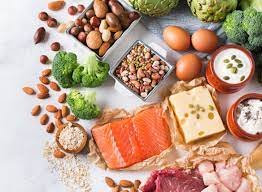
Proteins are the essential building blocks of all living cells. They perform essential physiological functions in the hormonal, immune and digestive systems, and are involved in the development of organs, muscles, bones, nerves, hair, connective tissues, etc.
A well-balanced, recommended diet should provide adequate quantities of protein. In the event of a deficit, supplements may be a solution. Conversely, if you have a surplus, replace it with foods containing a higher proportion of carbohydrates and fibre, such as fruit or vegetables. First, observe the number of servings per food group, identify any surpluses or deficiencies and adjust accordingly. 1 gram of protein provides 4 calories. OUR APPLICATION IS A POWERFUL TOOL TO HELP YOU MONITOR all your nutrients.
There are 20 amino acids. Of these 20, only 11 can be synthesized by the body. The other 9 must be supplied by the diet. A vegetarian diet must be made up of well-balanced, protein-rich foods to meet our needs. Eggs, cheese and legumes can help provide the body with what it needs.
On the other hand, animal proteins such as poultry, fish or red meats contain a fairly complete quantity and quality of amino acids.
It's important to note that too much protein can be very damaging to the body. When it comes to animal protein, it's important to get the dose and variety right.
ROLE
1. Cell construction, development, maintenance and repair
2. Antibody synthesis
3. Immunity
4. Reproduction, growth, pregnancy, breastfeeding
5. Construction of the brain and nervous system
SOURCES
1. Sprouted legumes
2. Eggs
3. Nuts and other oleaginous fruits
4. Animal meat (chicken, fish, red meat)
5. Certain superfoods
CARENCES
Although rare in industrialized countries, the following are possible symptoms of protein deficiency.
1. Insufficient growth
2. Insufficient muscle development
3. Weight loss
4. Low physical resistance
5. Inadequate brain development
6. Impaired intellectual development
7. Difficulty concentrating, memory loss
8. Insufficient gastric secretions: digestive disorders
EXCESS
1. Overwork of the liver and kidneys, which tire and then wear themselves out eliminating them.
2. Overload uric acid, purines and other toxins
3. Joints gradually ankylosed by toxin deposits
4. Kidney, liver, arthritic, cardiac, circulatory, digestive disorders
5. Hypertension
6. Physical and psychological hyperarousal, aggressiveness
7. Growth, sleep and learning disorders
8. Long-term: cancer
Join my Facebook group: WEIGHT LOSS FOR YOUNG PEOPLE
or LeNaturoPAT