
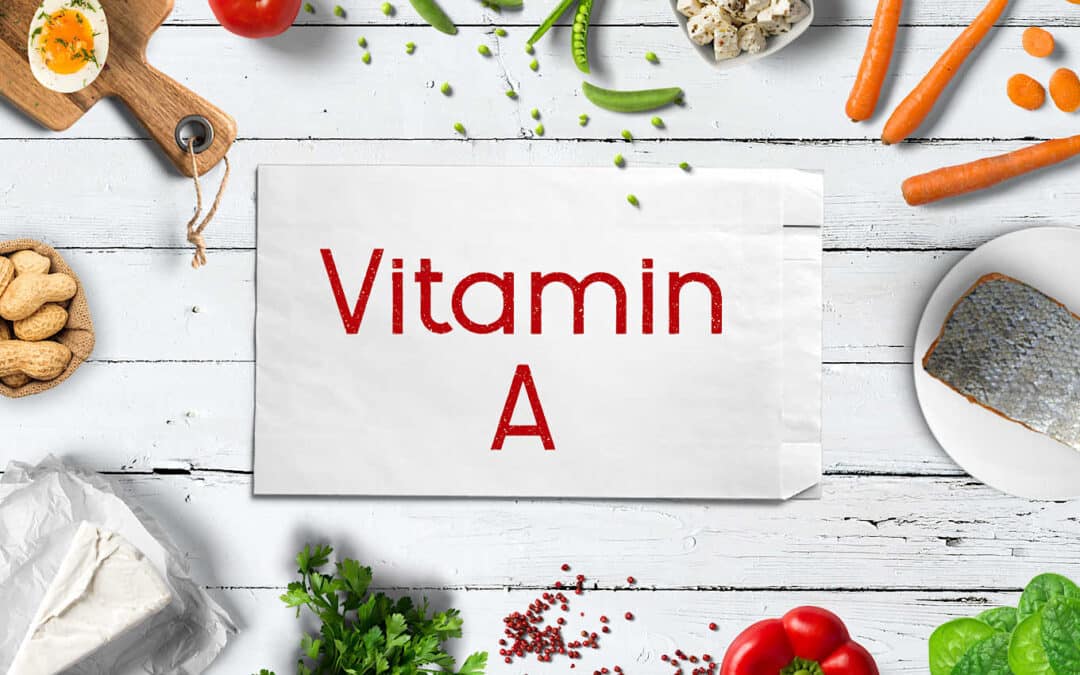
Here's a short summary about vitamin A.
VITAMIN A
Name : Preformed vitamin A, beta-carotene (provitamin A), retinol.
Classification : fat-soluble
Main foods containing vitamin A
Apricot, broccoli, cantaloupe, carrot, kale, pumpkin, spinach, liver, egg yolk, milk and dairy products, dark green leafy vegetables, persimmons, sweet potato.
Main functions in the body
- Excellent for vision, growth and immunity,
- Keeps skin healthy and soft,
- Promotes normal growth of teeth and bones,
- Produces mucous cells,
- Stimulates the immune system,
- Contains B-carotene, a powerful antioxidant that also protects against cancer.
Signs of deficiency
- Hair loss
- Conjunctivitis
- Dry skin and mucous membranes
- Abdominal, muscle and joint pain
- Diarrhea
- Hyperleukocytosis
- Chronic headaches
- Nausea
- Osteoporosis
- Loss of appetite
Factors that FAVOR the correct use of vitamin A
B-complex vitamins, choline, vitamin C, vitamin D, vitamin E (promotes absorption and «storage»), calcium, phosphorus, zinc. For beta-carotene, a little unsaturated fatty acids are a good idea.
Factors that OPPOSE its proper use
Air pollution, alcohol, aspirin, corticosteroids (cortisone), mineral oil, nitrates.
ATTENTION: Possible birth defects and osteoporosis if overconsumed! On the other hand, overconsumption means taking 10X more per day than recommended, for weeks or months on end.
Recommended daily amounts
Officially: 700 μg for women and 900 μg for men.
Nursing mothers 1300 μg.