
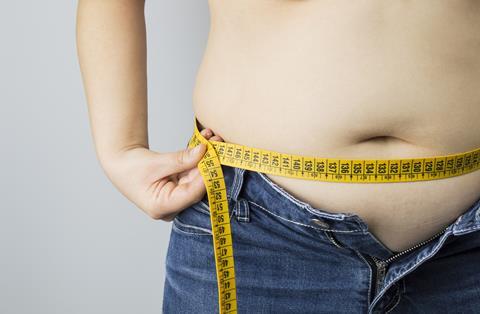
Why obesity?
Obesity is the most common metabolic disorder in North America. The disorder is more prevalent among women, ethnic groups and disadvantaged backgrounds. It is suggested that obesity is the result of a combination of factors including genetics, hormonal differences, metabolism, behavior, physical activity, food consumption, as well as cultural and environmental factors. Obesity leads to increased risk of atherosclerosis, type 2 diabetes, hypertension, arthritis, cholesterol, varicose veins, certain forms of cancer, and kidney and respiratory problems.
When an individual loses body fat, it is common to see a reduction in energy expenditure both at rest and during activity, compared with non-obese individuals. This makes the process of losing weight and maintaining it even more difficult. Those who maintain weight loss are often afflicted with symptoms of starvation (or withdrawal), feeling cold, and haunted by food. Obese women may even stop menstruating. These symptoms make it difficult for the obese to maintain an adequate weight.
Unlike other cells in the body, fat cells do not have limited storage capacity. Fat cells never decrease in number, but increase in size to accommodate more fat. Obese individuals have fat cells that are up to 100 times larger than the fat cells of a person of healthy weight. Enlarged fat cells are responsible for the appearance of wrinkle-covered skin (cellulite).
Cellulite, in fact, does not exist, but is merely a name given to the appearance of accumulated fat storage. Massaging devices and creams do nothing miraculous, and cannot rid the body of fat cells. If the appearance of the flesh changes following the use of these devices and creams, then it is due to brief superficial changes in cosmetic appearance, and not to a change in the body's composition.
Since fat is insoluble in water, it's impossible to urinate or sweat off fat (it's common to see people, fully clothed, exercising in a sauna on a stationary bike). The only way to reduce accumulated fat is to reduce calorie consumption and/or increase calorie expenditure (through exercise). A typical diet for the obese individual should consist of a healthy balance of carbohydrates, proteins and lipids of around 1200-1600 calories a day, and sometimes as low as 1000 calories. Lack of exercise, overconsumption of food AND WHEN WE CONSUME OUR FOOD (Food range that can be controlled by intermittent fasting) are three reasons why most people are obese. This can be emphatically stated, since obesity is increasing every year. On the other hand, many individuals have lower resting energy expenditure (commonly defined as slow metabolism) and are destined to be heavier for the rest of their lives.
With this group, it's important to lose a few pounds of body fat via a healthy, balanced diet, combined with a well-dosed exercise program, and to feel good rather than focus on achieving a supermodel physique. Note also that body fat increases with age (often due to the maintenance of current eating habits and less exercise), and muscle mass decreases (loss of around .25 kg/year) for a sedentary person.
What's more, we've long been told that enemy number 1 is lipids (fats), when in reality it's probably carbohydrates (sugars) that are the main cause of people being overweight. The storage mechanism involves insulin. It allows sugars to pass from the blood into the cells. Once the cells are well “garnished”, insulin stores the sugars in the form of fat cells !!!! 😱
I'll explain it all... in another blog 😉
If you want a VIABLE and VERY EFFECTIVE solution! Fasting is probably THE way you're looking for. And contrary to what you might think, it's not that difficult with the right coach! 😉
Join my Facebook group: WEIGHT LOSS FOR YOUNG PEOPLE
or LeNaturoPAT