
A recent study published in Frontiers in Neurology revives an important debate in the field of hyperbaric medicine. What if pressure alone played a much more significant therapeutic role than was long believed?
Traditionally, hyperbaric oxygen therapy (HBOT) is associated with the use of pure oxygen under pressure to increase tissue oxygenation. This approach is well-documented and used in several medical contexts. However, this new research highlights an often underestimated element: the direct impact of pressure.
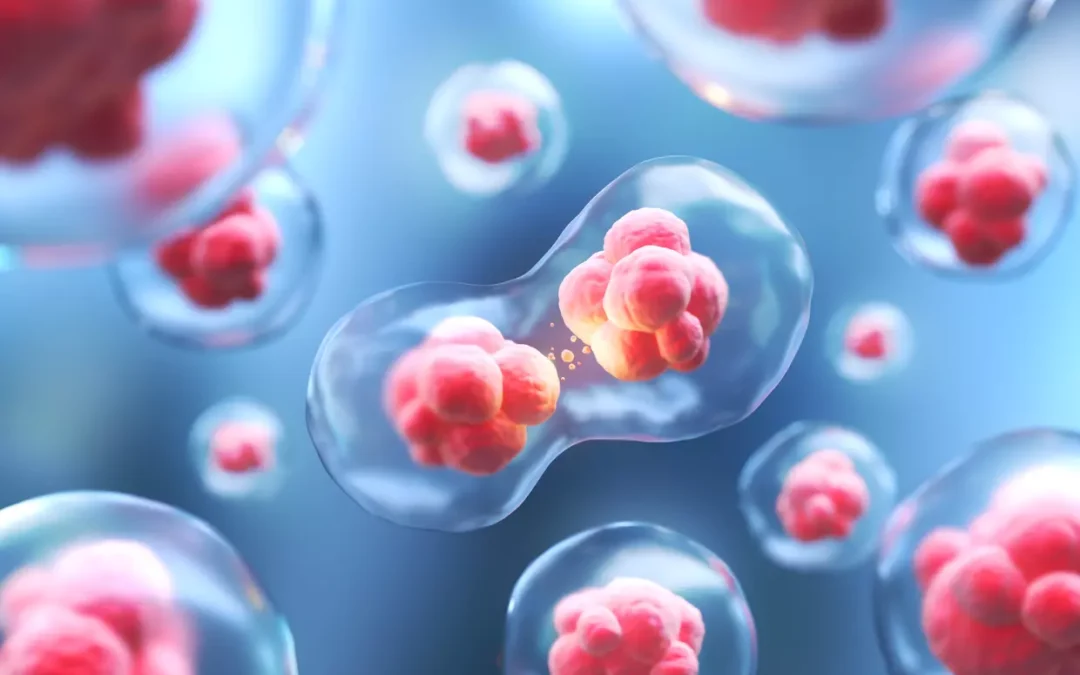
Researchers have observed that even under ambient air conditions—meaning without pure oxygen—significant biological effects can be measured at moderate pressures, notably around 1.3 ATA. Among these effects are an increase in stem cell mobilization and a modulation of inflammation, two fundamental mechanisms in the body's repair and regeneration processes.
These observations are particularly important because they challenge some of the foundations of past research. For years, several studies have used protocols at 1.3 ATA as a “placebo” group. However, if this pressure already leads to measurable physiological effects, it becomes legitimate to wonder if these conclusions should be re-evaluated.
This also opens the door to broader considerations regarding the accessibility of hyperbaric therapy. Ambient air hyperbaric chambers, particularly flexible models, could offer an interesting complementary approach that is more accessible and simpler to use, while still retaining real therapeutic potential.
Of course, it's important to remain nuanced. This study does not call into question the effectiveness of high-pressure pure oxygen protocols, but rather suggests that pressure and oxygen could work together, in a complementary way.
In other words, we may only just be beginning to understand the full potential of hyperbaric therapy.